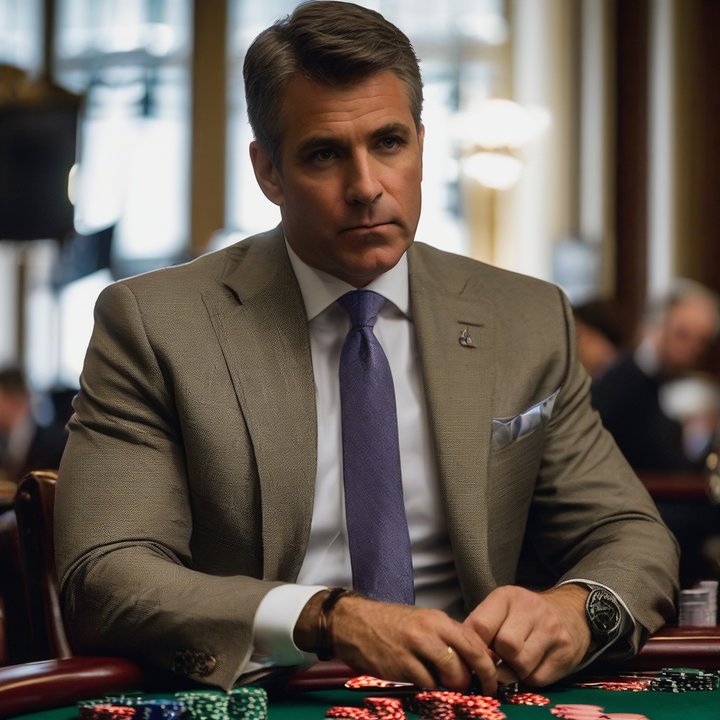
So, what happens when a professional poker player and a politician get together for a high-stakes game? You get some serious action, that’s what. Phil Hellmuth and Ted Cruz are making headlines with their big bets, and we’re here to break it down. From the buy-in to the final showdown, we’ll take a closer look at the game and the players involved.
Hellmuth and Cruz Go All-In
Imagine sitting down at a poker table with a buy-in that’s bigger than most people’s annual salary. That’s what Phil Hellmuth and Ted Cruz did, and it’s no surprise that their bets made headlines. But what drove these two individuals to make such significant wagers? Was it the thrill of the game, or was there something more at play? To understand their actions, we need to take a closer look at the game itself and the players involved.
The game was played in a competitive environment, with some of the best players in the world vying for the top prize. The stakes were high, and the tension was palpable. But Hellmuth and Cruz were undaunted, making bold bets that left the crowd on the edge of their seats. So, what was going through their minds as they made these bets? Were they thinking about the potential rewards, or were they focused on the risks?
The Bets That Made Headlines
So, what exactly were these bets that made headlines? Let’s take a closer look. Hellmuth and Cruz were playing with some serious cash, and their bets reflected that. They were going all-in, putting everything on the line for a chance at the top prize. But what drove them to make such significant wagers? Was it the thrill of the game, or was there something more at play?
The risks were high, but the potential rewards were even higher. If they won, they’d be set for life. But if they lost, they’d be out a small fortune. So, what was going through their minds as they made these bets? Were they thinking about the potential consequences, or were they focused on the potential payoff?
The Psychology of High-Stakes Betting
So, what drives individuals to make high-stakes bets? Is it the thrill of the game, or is there something more at play? To understand the psychology of high-stakes betting, we need to take a closer look at the factors that drive individuals to make such significant wagers.
One key factor is the role of risk and reward in decision-making. When the stakes are high, the potential rewards are often higher. But the risks are also greater, and individuals need to weigh these factors carefully before making a bet. So, what’s going through their minds as they make these bets? Are they thinking about the potential consequences, or are they focused on the potential payoff?
Another key factor is the role of emotion in decision-making. When the stakes are high, emotions can run hot, and individuals may make impulsive decisions that they later regret. So, how can individuals manage their emotions and make rational decisions in high-stakes situations?
The World of Competitive Poker
So, what’s the world of competitive poker like? It’s a world of high-stakes games, big-name players, and intense competition. But it’s also a world of skill and strategy, where players need to be at the top of their game to succeed.
From the World Series of Poker to the high-stakes cash games of Las Vegas, competitive poker is a world of excitement and intrigue. But it’s also a world of risk and reward, where players need to be careful not to get caught up in the moment and make impulsive decisions.
So, what skills and strategies do players need to succeed in this world? They need to be able to read their opponents, manage their bankroll, and make rational decisions under pressure. They also need to be able to handle the emotional ups and downs of the game, and stay focused on their goals.
The Verdict: Hellmuth and Cruz’s Big Bets
So, what’s the verdict on Hellmuth and Cruz’s big bets? Were they smart moves, or were they reckless gambles? The answer depends on your perspective. If you’re a fan of high-stakes poker, you might see their bets as bold and exciting. But if you’re a more cautious observer, you might see them as reckless and impulsive.
Ultimately, the outcome of their bets is less important than the lessons we can learn from their actions. By examining the psychology of high-stakes betting and the world of competitive poker, we can gain a deeper understanding of the factors that drive individuals to make such significant wagers. And who knows, we might even learn a thing or two about ourselves and our own relationship with risk and reward.